Container Maintenance: Best Practices Tips
Maintain your Southampton container. Expert tips prevent rust, pests & costly repairs. Inspect, clean & protect for longer life.

Maintain your Southampton container. Expert tips prevent rust, pests & costly repairs. Inspect, clean & protect for longer life.
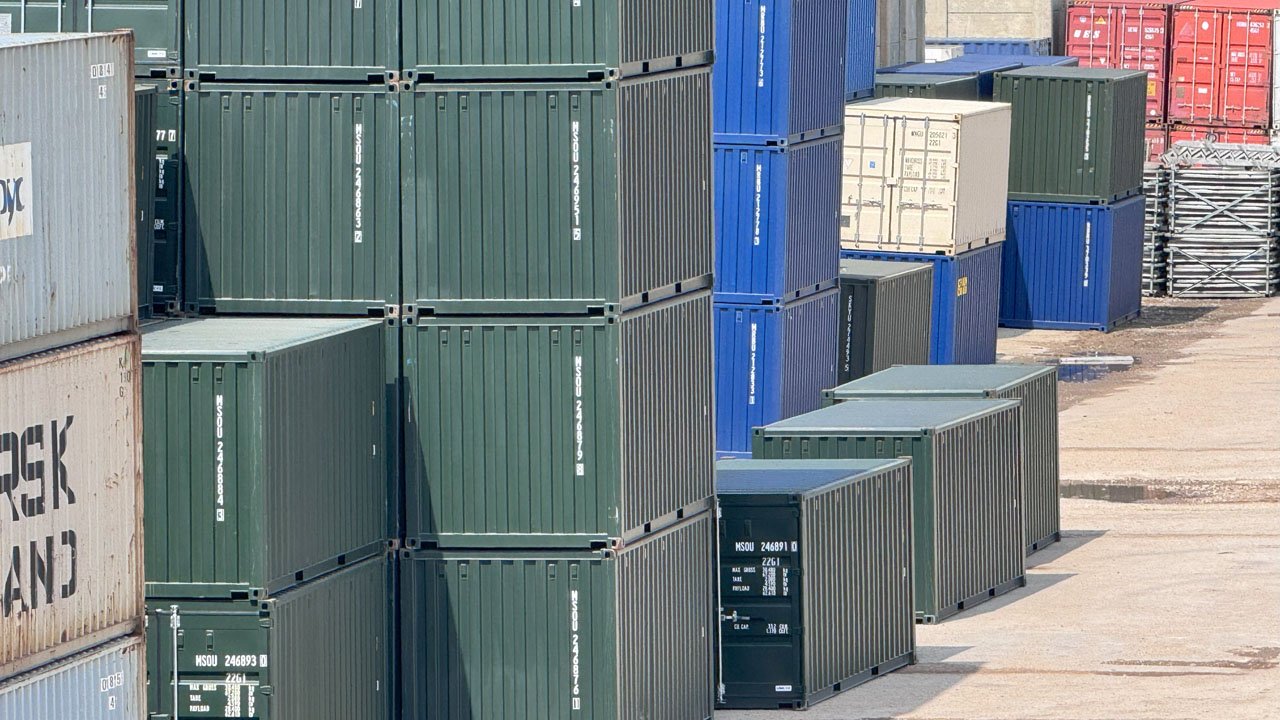
Proper maintenance of shipping containers is vital for protecting your investment and ensuring the safety of stored cargo. Whether you use a unit for international logistics or for static storage in Aldershot, environmental factors such as Hampshire’s coastal air and varying temperatures can lead to structural degradation if left unchecked. Shipping Containers of Southampton supplies units built to rigorous ISO 1496-1 specifications, but ongoing care remains the owner's responsibility to prevent moisture ingress and metal fatigue.
A proactive maintenance schedule extends a container's operational life by decades. Neglecting minor issues, such as surface rust or worn door seals, often results in costly repairs or total structural failure. Shipping Containers of Southampton recommends a bi-annual inspection to identify and rectify wear before it compromises the unit’s wind and watertight status.
When performing repairs, following established industry guidelines is essential for maintaining the container's certification. The Institute of International Container Lessors (IICL) provides the global standard for container inspection and repair. Following IICL guidelines ensures that any patches or structural welds do not weaken the integrity of the Cor-Ten steel frame.
For those looking to buy shipping containers, understanding these standards helps in evaluating the quality of used stock. Every container used for transport must maintain its Convention for Safe Containers (CSC) plate. Regular maintenance ensures the unit remains eligible for re-certification, a requirement for any business using containers for global export.
Shipping containers are primarily constructed from Cor-Ten steel, a weathering steel that develops a stable, rust-like appearance that protects the underlying metal. However, deep corrosion can still occur in areas where water pools or where the protective paint layer is scratched. Shipping Containers of Southampton advises immediate treatment of any "active" rust, which appears as flaky or orange-red patches.
To treat corrosion effectively, follow these technical steps:
For businesses in coastal areas like Portsmouth, salt-air accelerated corrosion makes this process even more critical.
The doors are the most complex mechanical part of a shipping container. If the doors become difficult to operate, it often indicates the container is not level or the hinges have seized. Shipping Containers of Southampton stocks 20ft shipping containers and 40ft shipping containers with heavy-duty locking bars that require regular lubrication.
Avoid using WD-40 for long-term lubrication as it acts more as a solvent than a lubricant. Instead, use a high-performance white lithium grease or a graphite-based lubricant on the hinge pins and locking bar cams. These lubricants stay in place even in heavy rain and during temperature fluctuations. Apply the grease at least twice a year to ensure smooth operation and prevent the locking bars from bending under force.
The rubber gaskets (seals) around the doors are essential for maintaining a wind and watertight environment. Inspect these for cracks, dry rot, or tears. If the seals fail, moisture will enter, leading to "container rain" and damage to your contents. Use a silicone-based spray on the rubber once a year to keep the gaskets supple. If a seal is damaged beyond repair, it must be replaced with a high-grade EPDM (ethylene-propylene-diene monomer) rubber gasket to ensure a long-lasting weather seal.
The roof is the most vulnerable part of a container because it is prone to "ponding," where water sits in the depressions caused by dents or heavy snow. Shipping Containers of Southampton recommends checking the roof after heavy storms. Use a ladder to inspect for standing water and clear any debris, like leaves or branches, that trap moisture.
If you find a puncture in the roof, it must be patched with Cor-Ten steel plates and welded to ensure structural continuity. For temporary fixes, a bitumen-based flashing tape can work, but a permanent weld is necessary for long-term storage or transport. For units like 20ft open-top containers, ensure the TIR cables and tarpaulins are tensioned correctly to prevent water pooling in the fabric.
Standard shipping containers feature 28mm marine plywood floors. While these are treated with insecticides and moisture-resistant chemicals during manufacture, they can still rot if exposed to standing water. Shipping Containers of Southampton advises against storing damp items inside the unit. If the floor becomes stained with oils or chemicals, clean it immediately with an industrial degreaser to prevent the wood from absorbing the liquid and softening.
Moisture buildup is a common issue in steel containers. When the temperature drops at night, the steel walls cool faster than the air inside, causing moisture to condense. This can be mitigated by:
For perishable goods, our 20ft refrigerated containers provide a climate-controlled environment that negates these risks.
While a shipping container is inherently pest-resistant due to its steel construction, pests can enter through damaged seals or if the doors are left open. Shipping Containers of Southampton recommends keeping the area around the container clear of long grass and rubbish to discourage rodents. Regularly sweep the interior and check the corner castings for spider nests or wasp hives. If you use the container for grain or food storage, ensure it is cleaned with food-safe sanitisers to meet health and safety standards.
When maintaining or modifying a container on-site, you should be aware of local regulations. While maintenance is generally unrestricted, significant modifications might affect the unit's status as a temporary structure. For projects in Hampshire, consult the Hampshire County Council planning portal. If your unit is located specifically in Aldershot, we provide a guide for Aldershot planning permission to help you stay compliant.
A new one-trip container typically won't need repainting for 10 to 15 years. Used containers may benefit from a fresh coat of marine-grade paint every 5 years, depending on their exposure to coastal air. Regular touch-ups of scratches are more important than a full repaint. For more on container lifespan, see our container FAQs.
We do not recommend standard household paints. Shipping containers require industrial-grade coatings, such as alkyd enamels or zinc-rich primers, to bond effectively to Cor-Ten steel. Using the wrong paint can lead to peeling and hidden rust growth.
The most common cause is a container that is slightly off-level. If the ground settles, the frame can twist, causing the door apertures to misalign. Check the levels and use steel shims or rail sleepers to level the unit. Learn more in our guide on shipping container foundations.
Welding should only be performed by those with experience in structural repairs. Cor-Ten steel requires specific welding rods (such as E7018) to maintain its weather-resistant properties. Always ensure the container is well-ventilated and that you are not welding near flammable insulation or flooring treatments.
Dry it as quickly as possible using fans or a dehumidifier. Plywood floors can delaminate if they remain soaked for extended periods. If you frequently store wet items, consider installing a steel or aluminium checker-plate floor over the timber.
Shipping Containers of Southampton is dedicated to providing high-quality units and the knowledge required to keep them in peak condition. From 10ft containers for personal storage to flat rack containers for industrial logistics, we ensure our clients have the best storage solutions in Hampshire. If you have questions about maintaining your unit or need a professional condition report, our team is ready to assist. Contact us today for expert advice or to browse our latest stock of new and used containers.
At Shipping Containers of Southampton, we serve locations across the South of England. Our hiab delivery coverage includes Reading, Portsmouth, Swindon, Basingstoke, Guildford, Maidenhead, Camberley, Eastbourne, Eastleigh, Bracknell, Bournemouth, Brighton, Slough, Crawley, Farnborough, Weybridge, Aldershot, and Chichester. Whether you need a new or used container, we offer prompt delivery and competitive pricing.